
Pigmentation
Treating pigmentation at ODA Skin Clinic
Pigment spots can make the skin look uneven, dull, or older. Although pigmentation is harmless, it can be perceived as cosmetically bothersome. Fortunately, there are various options to visibly reduce pigment spots and even out the skin tone.
At ODA Skin Clinic, we look at the cause of the pigmentation and create a personalized treatment plan that aligns with your skin type, condition, and goals. Because every form of pigmentation is different, every skin requires a different approach.
What is pigmentation?
Pigmentation is caused by an increased production of melanin. Melanin is the natural pigment that gives color to our skin, hair, and eyes. When the pigment cells become overactive, localized discoloration or pigment spots can develop.
Pigment spots can range from small superficial spots to deeper discolorations that have been present for a long time.
Which forms of pigmentation do we treat?
At ODA Skin Clinic, we treat, among other things:
✓ Sun damage and age spots
✓ Post-inflammatory hyperpigmentation (pigment spots after acne or inflammation)
✓ Hormonal pigmentation
✓ Melasma
✓ Uneven skin tone
✓ Pigment spots after skin damage
✓ Diffuse pigmentation
How does pigmentation develop?
Pigmentation can be caused by various factors. Often, multiple causes play a role simultaneously.
Common causes are:
✓ Exposure to UV radiation
✓ Hormonal changes
✓ Pregnancy
✓ Use of contraception
✓ Acne or inflammation
✓ Skin damage
✓ Hereditary predisposition
✓ Skin aging
Pigmentation can darken due to exposure to sunlight. Therefore, good sun protection is an essential part of every pigmentation treatment.

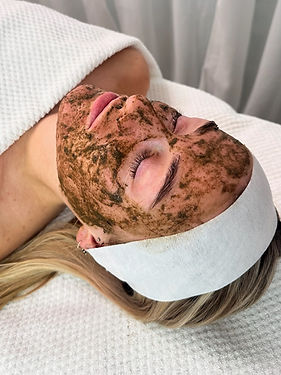
How do we treat pigmentation?
Depending on the type of pigmentation, the depth of the pigment, and your skin type, we will create a personalized treatment plan.
At ODA Skin Clinic, the following treatments, among others, can be used:
✓ Chemical peels
✓ SkinPen Medical Microneedling (if suitable)
✓ Personalized product advice for home
Pigment treatments are often most effective when professional treatments are combined with proper home care. By regularly stimulating the skin and simultaneously protecting it well against UV radiation, pigment spots can gradually fade and the skin tone can become more even.
The goal of the treatment is to visibly reduce pigment spots, improve skin texture, and give the skin a fresh, even appearance.
Is a pigment treatment covered by insurance?
Pigment treatments are generally not covered by health insurance. During a consultation, we would be happy to discuss which treatments best suit your skin and expectations.
